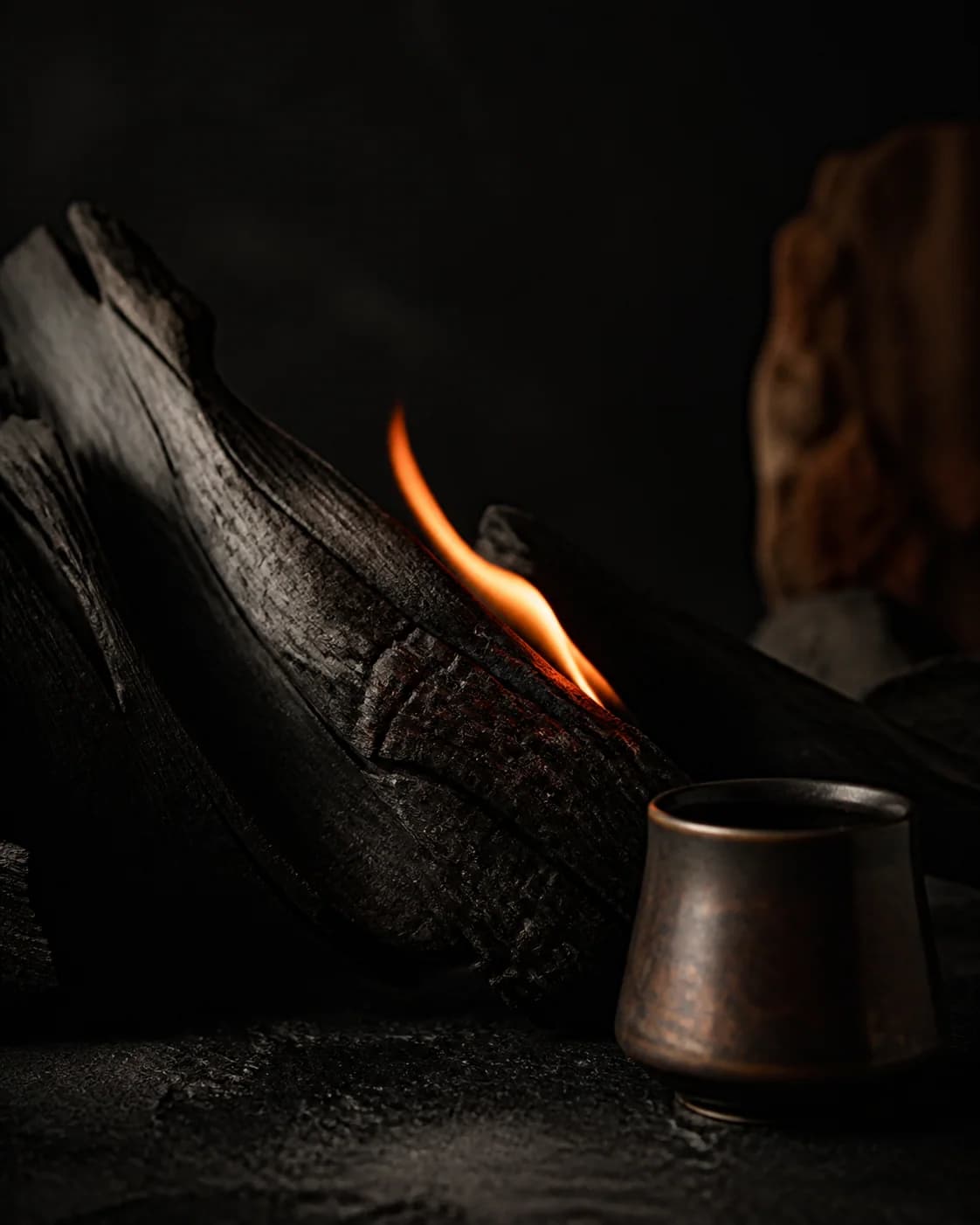
Self-care does not have to be another project to manage. Sometimes the most nourishing practice is a small ritual that fits the energy you are already living with. The Five Elements—Wood, Fire, Earth, Metal, and Water—offer a gentle way to choose that ritual. Instead of asking, “What should I be doing?” you can ask, “What quality would support me today?”
Wood self-care: make room for movement
Wood is the energy of growth and direction. When you feel stuck, try a practice that creates a little momentum without demanding a major overhaul. Take a ten-minute walk somewhere green. Stretch while waiting for the kettle to boil. Write one clear next step on a sticky note.
Wood also responds to fresh flavors and beginnings. Add herbs to a simple meal, open a window, or move one piece of furniture to make a familiar room feel new. The point is not productivity. It is remembering that growth can be light and alive.
Fire self-care: invite warmth and delight
Fire thrives on connection, expression, and pleasure. A Fire ritual might be putting on a song that changes the atmosphere of your room, sending a voice note to a friend, or lighting a candle before dinner. If your week has felt serious, choose something playful on purpose.
Fire needs balance, too. After a social or stimulating day, let the lights get lower. Sip something warm. Give joy somewhere quiet to land so it does not become overwhelm.
Earth self-care: return to the basics
Earth is the element of nourishment and steadiness. Its rituals are often beautifully ordinary: a real lunch eaten without multitasking, clean sheets, a soup simmering on the stove, a check-in with someone who makes you feel known.
If you care for everyone else first, Earth asks you to receive care too. Make one choice that supports your future self: prepare breakfast, refill your water bottle, or protect an hour of rest on the calendar.
Metal self-care: clear and keep what matters
Metal appreciates clarity, space, and a sense of meaning. Choose one small area to edit: your bedside table, your inbox, or the first ten minutes of your morning. Then pause and notice how the space feels.
You might also try a release practice. Write down one expectation that has become heavy and tear up the page. Metal is not about having less for its own sake; it is about making room for what is true.
How do you choose a ritual without turning the elements into a diagnosis?
Choose from the quality you need, not from fear about an element being “missing.” A visible chart count cannot diagnose your body or prove that one ritual is medically necessary. It can, however, give you a memorable language for experimenting with pace, environment, boundaries, nourishment, and rest.
Worked example: after a demanding week, someone may notice strong Fire-like behavior—constant visibility, fast replies, and social output. The next useful movement may be Water-like quiet rather than more motivation. The practice is simple: one phone-free evening, a warm drink, and a written boundary for tomorrow. The value comes from observing the response, not from claiming the ritual treats a condition.
Founder note: our standard is “symbol first, practical choice second, medical claim never.” The elements should return agency to the reader rather than create dependence on a practitioner.
Use the free Five Elements quiz to choose a starting quality, then read Five Elements in love and repair if the pattern appears in a relationship. The free resource library includes a one-page reference you can keep.
Sources consulted
- Wu Xing Da Yi, Volume 1, discussions of Five Phase names and correspondences — historical source for the elemental vocabulary.
- Wu Xing Da Yi, Volume 2, “Discussion of Mutual Generation” — classical source for movement from one phase to another.
- Qiong Tong Bao Jian, “General Discussion of the Five Elements” — source for the importance of season, excess, and insufficiency rather than simplistic counting.
Source boundary: historical correspondences are presented as cultural and reflective context. These rituals are modern lifestyle suggestions, not treatment, prevention, or diagnosis.
Water self-care: protect quiet depth
Water needs rest, privacy, and unstructured time. Take a slow shower, go to bed earlier than usual, or spend fifteen minutes with a journal and no agenda. A walk near water is lovely, but a closed door and a cup of tea can be just as restorative.
These Five Elements self-care rituals are invitations, not rules. Let your day tell you what you need. One small, attentive choice can be enough to bring you back to yourself.